Losing a loved one is one of life’s most difficult experiences. In the middle of grief and planning, families are often making decisions quickly, sometimes without realizing that there may be important questions that could arise later.
DNA collection at a funeral home is one way to preserve answers for the future. Whether it’s for confirming biological relationships, handling legal matters, or simply gaining peace of mind, collecting DNA before burial or cremation can be a thoughtful and proactive step.
Why Consider DNA Collection at a Funeral Home?
There are many reasons families choose to collect DNA before final arrangements:
-
Establishing paternity or family relationships
-
Supporting inheritance or estate matters
-
Assisting with immigration documentation
-
Preserving family history for future generations
-
Providing closure and clarity for loved ones
Once burial or cremation takes place, DNA collection becomes much more difficult, or sometimes impossible. That’s why timing matters.
Common Ways DNA Can Be Collected
Buccal (Cheek) Swab
This is the most common and least invasive method. A sterile swab is gently rubbed along the inside of the cheek to collect skin cells.
-
Quick and simple
-
Ideal when the body is well-preserved
-
Often used for legal and family testing
Blood Sample
If accessible, a blood sample can provide a strong DNA source.
-
Highly reliable DNA quality
-
Typically collected by a trained professional
-
May depend on timing and condition of the body
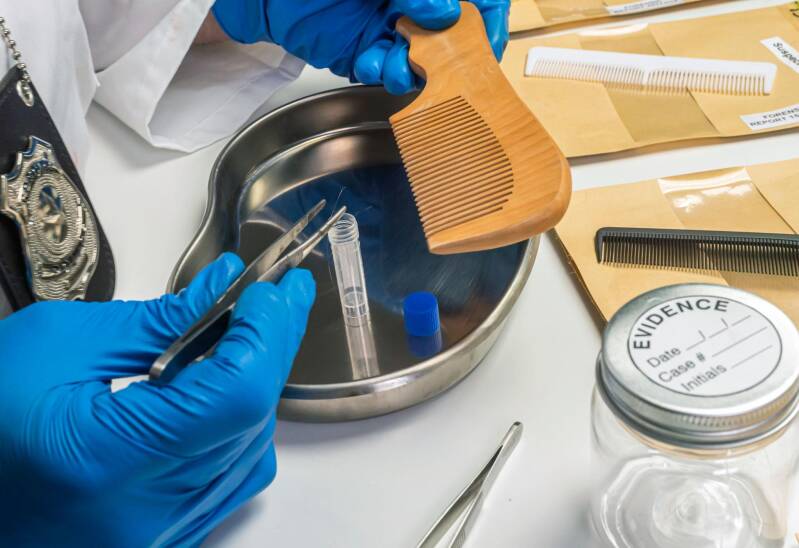
Hair with Root
Hair can be used only if the root (follicle) is attached.
-
Not all hair samples are usable
-
Requires careful collection
-
Often used as a secondary option
Tissue or Nail Samples
In certain cases, small tissue or nail samples may be collected.
-
Useful when other methods are not available
-
Requires professional handling and proper storage
-
Often used in more complex or delayed cases
What to Expect During the Process
DNA collection at a funeral home is handled with the utmost care, dignity, and professionalism.
-
The process is quick and respectful
-
Proper documentation (such as consent forms) is required
-
Chain-of-custody procedures are followed for legal testing
-
Samples are securely packaged and sent to an accredited lab
Families can feel confident knowing that their loved one is treated with respect every step of the way.
Timing Is Important
The best time to collect DNA is before burial or cremation, ideally as soon as possible after passing.
Waiting too long can:
-
Reduce sample quality
-
Limit available collection methods
-
Increase costs or complications
Planning ahead ensures you have options whether you need them now or later.
A Thoughtful Step Toward Peace of Mind
Choosing to collect DNA during such an emotional time may feel overwhelming, but many families later express gratitude for having taken this step. It’s not about expecting problems, it’s about preserving answers in case they’re ever needed.
At Reliable DNA Testing Solutions, we understand the sensitivity of these moments. Our goal is to provide compassionate, discreet, and professional support so families can focus on what matters most, honoring their loved one.
Need Guidance?
If you have questions about DNA collection or would like to arrange a service at a funeral home, we’re here to help guide you through the process with care and clarity.